
When it comes to sustainable fashion and textiles, wool is one of the few natural materials that comes close. Wool is one of the most eco-friendly fibers available today because it is warm, durable, and has a timeless appeal. It also has circular qualities. When we say “circular” in textiles, we mean materials that can be used again, recycled, and broken down by nature, which reduces waste and keeps resources in a continuous loop.
These ideas are perfectly embodied by wool, especially fiber wool. Wool shows that the textile industry can work with nature’s rhythms without sacrificing quality. It comes from renewable sources and can be recycled in many ways.
Wool comes from sheep, which are a renewable resource. Synthetic fibers, on the other hand, come from oil. Sheep naturally grow a new fleece every year, and cutting it off won’t hurt them. Wool is special because it grows back every year and doesn’t need as much help from people.
Because fiber wool can be used again and again, it helps us use fewer materials that can’t be used again. Fashion is coming under more and more scrutiny for its environmental impact, so wool’s ability to grow back every year makes it a good choice for the long term.
Wool is very strong because it lasts a long time. Wool fibers are naturally stretchy, so they can bend thousands of times without breaking. This makes clothes last longer, so you don’t have to replace them as often.
Wool is often more durable than other fabrics. For instance, if you take care of it properly, a wool sweater can last for decades. Longevity directly supports circularity because it takes fewer resources to make replacements.
One of the best things about fiber wool is that it can be recycled. Wool can be recycled mechanically into new yarns or fabrics without losing its main properties. This process has:
People use a lot of “shoddy wool,” which is wool that has been recycled, to make new clothes, blankets, and upholstery. This practice not only makes wool last longer, but it also cuts down on the amount of textile waste that ends up in landfills.
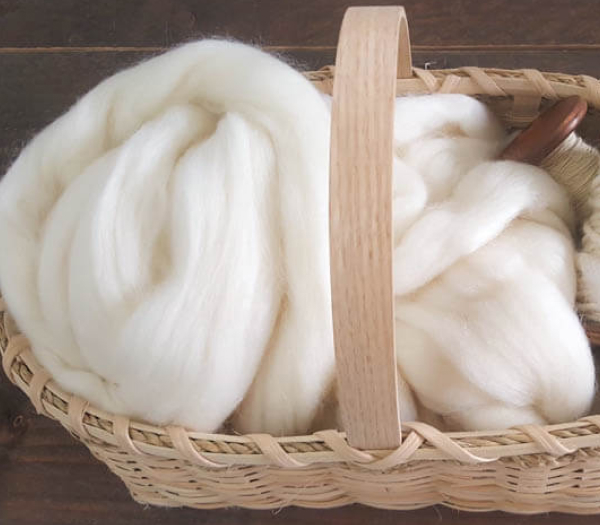
When wool clothes reach the end of their life, they go back to nature in a nice way. In soil and water, wool breaks down completely. It breaks down and releases important nutrients like nitrogen, sulfur, and magnesium that make the soil better instead of worse.
They go away on their own, leaving no harmful microplastics behind, unlike synthetic fibers, which stay in the environment for hundreds of years. This means that it has one of the most circular effects on the environment at the end of its life.
Wool is more environmentally friendly than other fabrics because it is easier to care for. Wool doesn’t hold smells and stains well, so you don’t have to wash it as often. It only needs cold water to wash most of the time, which saves energy. Wool clothes also don’t need to be ironed very often because they are naturally strong.
This lower energy use during the life cycle of a garment is a secret but strong benefit.
Circularity isn’t just about recycling; it’s also about making things last. Wool’s natural ability to keep things at the right temperature makes it more valuable. It keeps people warm in the winter and cool in the summer by letting air flow and soaking up moisture.
Wool clothes are very useful because of these qualities. People can wear them in different climates and seasons, so they don’t need to buy a lot of different clothes. Buying less means less waste, which is good for the circular economy model.
Wool is great for reusing and upcycling in addition to recycling. People like to buy vintage wool coats, sweaters, and scarves at second-hand stores because they often stay in good shape. People who make things and designers often use wool textiles again to make new things like bags, patchwork blankets, or even art.
This ability to keep its value through reuse makes wool an even better circular material. Fiber wool keeps its value over time, unlike fabrics used in fast fashion that wear out quickly.
When you wash synthetic fabrics like polyester or nylon, they release microplastics into the ocean, which is bad for the environment. Wool, on the other hand, does not. The natural fibers break down safely and don’t let out any harmful particles.
When people choose wool, they help the environment by reducing the microplastic crisis. They can still enjoy durable, stylish fabrics.
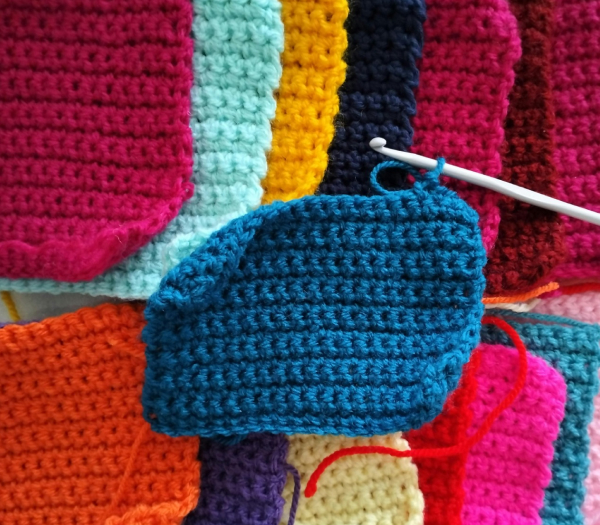
More and more, the fashion industry is trying out circular systems, which are closed-loop supply chains that collect clothes, recycle them, and then sell them again as new products. Wool has become a hero material in this area.
Brands are starting programs where customers can send back old wool products. These things are then turned into new yarns and fabrics, which keeps wool in circulation and lowers the need for new materials.
New technologies are making wool’s circular potential even bigger. Combining recycled fiber wool with other eco-friendly materials has made hybrid fabrics that are stronger and more flexible. Improvements in mechanical recycling have also made recycled fibers stronger, so they are now similar to virgin wool.
There is also growing interest in chemical recycling for wool, which could lead to new ways to get fibers back.
Wool has always been important to cultures and economies around the world. It is a valuable material in both mainstream fashion and luxury markets because it has a long history of being of high quality. This value makes people want to take care of and keep wool products, which makes them last longer.
When people buy wool, they are more likely to fix and reuse it instead of throwing it away, which is in line with the idea of circularity.
Wool is very circular, but there are still problems to solve: To raise sheep for wool, you need land and water. If you don’t throw away wool blends properly, it can be harder to recycle them. In some areas, it is still hard to get to large-scale recycling centers. But there are more chances than problems. Making collection systems better, building up recycling infrastructure, and teaching people how to care for wool can make fiber wool even more circular.
Wool is more than just a fabric; it’s a plan for how fashion can become more circular. It is a fiber that works well with the environment because it comes from a renewable source, lasts a long time, can be recycled, breaks down naturally, and is naturally strong.
In a world that wants to find a balance between fashion and sustainability, fiber wool shows that the answer isn’t always to make new synthetic materials. Sometimes, the best choice for the environment is the one that nature has always given us.
Adding {{itemName}} to cart
Added {{itemName}} to cart