
If you are a designer or a brand, this is something you may want to know this year. In 2026, the world is set to see a radical change in the clothing industry, in terms of sustainability and standard compliance, and consumer expectations are on the rise, and Brand claims are no longer enough for consumers. They want proof. Consumers require Blockchain, RFID, and traceability systems that can track materials from the source, validate labour and sustainability claims, and provide real-time supply chain data to buyers.
Between the years 2026 and 2030, sustainability in fashion manufacturing will be less about how products are marketed but more about how they are made. There will be several efforts to minimise product material waste, and at the same time speed up approvals, faster product management, and prevent costly last-minute revisions.
All in all, the goal is going to be that the less work that needs to be redone, the less fabric wasted and the fewer resources exhausted.
At the same time, you can expect to see higher demand that is going to force brands to act faster. Faster production and development isn’t going to be about taking shortcuts, though they will certainly play a role in the old way of working
The faster a brand/designer can get their collections out in the market while complying with the industry standards and certifications, which is advancing and maintaining its integrity, the more likely it is to succeed sustainably and meet consumers’ emerging demands.
For sustainable clothing manufacturing like Kochartex, this shift is not new. The company is already aligning its processes with certified materials, traceable sourcing, and responsible textile production to help global brands meet evolving sustainability standards.
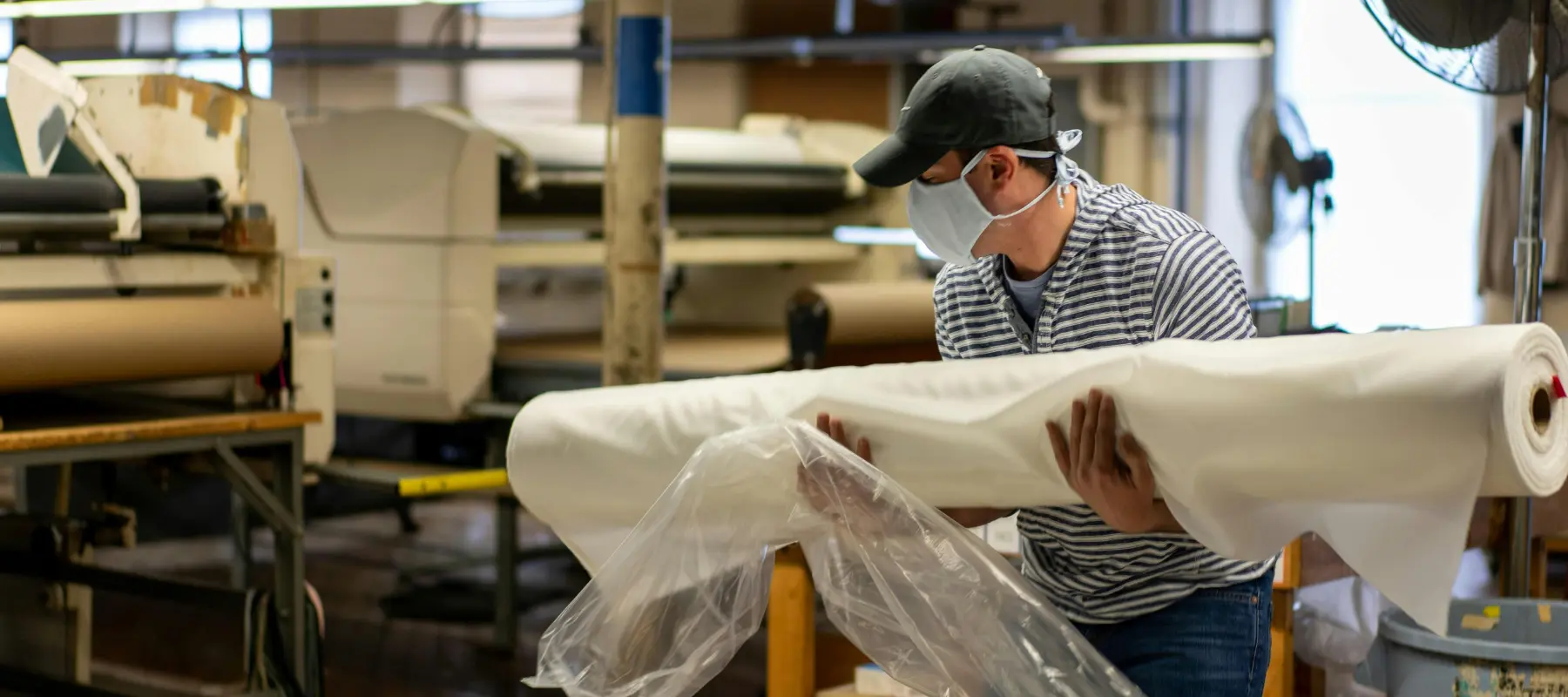
When talking about sustainable fashion brands or the broader sustainable fashion industry, we must have a clear understanding of sustainability in fashion. One widely-cited academic source defines it as “efforts to minimise the fashion industry’s adverse environmental and social impacts.”
This means that a truly sustainable fashion brand doesn’t just focus on one element, let’s say, using recycled fabric, but it takes a full value-chain view, from raw materials through production, distribution, consumption, and end-of-life.
In practical terms, that view means asking your supplier the following questions:
This is why many brands now prefer working directly with transparent sustainable clothing manufacturing partners like Kochartex, who provide clarity on fibre sourcing, certifications, and production practices from day one.
The market is changing and is set to see sustainability rise way more than ever. As consumers, regulators and brands increasingly understand the consequences of fast fashion, and also of overproduction and overconsumption, the sustainable fashion segment is seeing rapid growth.
A source estimates the sustainable clothing manufacturing market to be about US$3.6 billion in 2024, and it is expected to grow to US$9.4 billion by 2034.
That substantial growth projection in numbers shows that the definition of “sustainable fashion” is evolving. Consumer awareness is rising, many people say they care about sustainable fashion, yet may feel uncertain about how to identify truly ethical brands. This is where you can make your brand or label stand out.
The sustainable fashion industry is taking notes and is in effect to present not only a response to this urgent environmental and social challenge, but also a strategic business opportunity for brands like yours that can move around this change and can take advantage of this effectively, and adopt transparency and sustainability into their core model.
The scale of the global apparel industry is growing environmental and social footprint is becoming increasingly clear. The potential of sustainable fashion can make it clear why the shift to global sustainable fashion brands matters, this year more than ever.
Traceability’s demand is increasing due to stricter compliance instructions, and so is the need for reporting requirements, and consumer desire for transparency. Digital traceability systems are enabling brands to monitor materials and labour practices as well as the stages of production, and of everything involved in the process if making their garment and in turn gain consumer trust.
The sustainable fashion industry has seen progress, and Gen – Z customers are seen to opt of sustainable materials more than those that make no claims. We’ve seen how material innovation and circular economy are redefining supply chains, how transparency is empowering both brands and consumers, and how the market’s growth signals a large-scale shift.
Beyond labels, the big question will be if global fashion houses can incorporate sustainability at scale across all volumes of order and geographies. How regulation and transparency will evolve globally. As policies such as extended producer responsibility and traceability compliance norms will spread, brands operating globally must adapt.
For consumers, this means being more aware of sustainability claims. For brands, it means integrating innovation, transparency, and system-level change.
The sustainable fashion landscape is evolving fast, and the winners will be those who connect style, transparency, and scale. The question is who will lead and how they will deliver.
Looking for a sustainability-focused textile partner? Explore how Kochartex supports brands with traceable and future-ready sustainable clothing manufacturing solutions.
Major challenges include overproduction, complex supply chains, high production costs, and consumer confusion about sustainability claims. Even “green” materials lose impact if output volumes keep growing. Lack of ability to trace back to the origin of the materials leaves consumers confused and breaks brand trust.
As compliance expectations rise, third-party certifications are becoming essential for credibility. Commonly recognised standards include the Global Recycled Standard for recycled material textiles, OEKO-TEX Standard 100 for chemical safety, and the Global Recycled Standard (GRS) for recycled materials. These certifications help validate sustainability claims, ensure compliance, and build consumer trust through independent verification.
"*" indicates required fields
Adding {{itemName}} to cart
Added {{itemName}} to cart