

The circular economy model is influencing consumers and producers in modern fashion to switch to materials that are sustainable. This is not just another drive to promote ‘eco-friendly’ materials. It focuses on everything from environmentally friendly materials that can be reused and returned to nature at the end of their lives, to using processes and additional materials that are safe and fair for animals and human beings.
To make sure that the standard is achieved, many fabric manufacturers label their products as OEKO-Tex Certified. But what exactly is OEKO-Tex certified fabric?
Such a certification requires the fabric to be tested and be free from harmful levels of more than 100 substances known to be harmful to human health, including:
Remember, even before you start your OEKO-Tex fabric sourcing journey, you should make a clear choice about the type of sustainable fabric you are going for, of course, depending on your needs. The world is progressing fast, but in the opposite direction from fast fashion. Consumers have started to realise the consequences of their choices, and as a result, they are biased towards natural and sustainable fabric choices, especially the OEKO-Tex certified fabric
Assess Certified Fabric Manufacturers in India
Based on your needs, you want to make a list of manufacturers supplying the kind of fabric you require. For your own peace of mind and the consumers’, you may want to choose a supplier that has a circular sourcing platform, a zero waste focus, ethical sourcing and guaranteed traceability.
For instance, Kochartex, an Indian textile manufacturer with OEKO-tex certification, is committed to responsible and zero-waste production, wth in-house solar and effluent water treatment plants.
1. Verify the Manufacturer’s Official OEKO-Tex Certificate
Whetandards. This could include certificate number, standard type like OEKO-Tex Standard 100, its validity dates, product class and more.
It is always a good choice to verify before moving forward, for your and the ultimate consumer’s peace of mind.
2. Evaluate Their Production Capabilities
Once you have verified your supplier, you want to make sure your supplier is reliable, especially long-term, as we discuss later. But other than long term, you may want to make sure of their quality control, their dying and processing techniques, how they comply with the standards they claim and especially, their ability to handle your requirements, which could include customisations, a certain weave or finish, bulk quality.
3. Request Fabric Samples
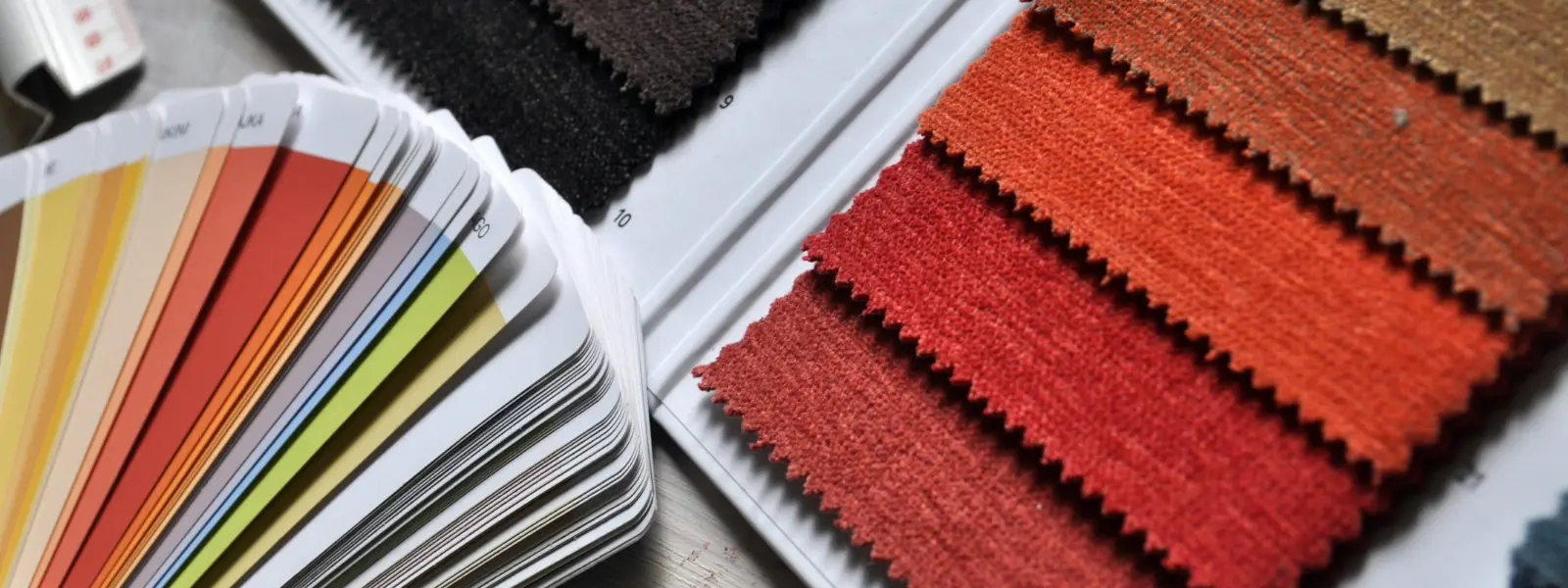
It is fair to request samples before you finalise a deal with a fabric supplier, because you may not want to dive straight in, but rather first dip your toes, and look at swatches offered by the supplier, if that is the kind of fabric you are looking for and if that aligns with your brand value.
To request your wool samples from Kochartex, contact us today
4. Understand MOQs, Lead Times & Pricing
Even if you are a global brand wanting to source fabric from India, for the excellent quality and reasonable pricing that we have in this region, you may still want to understand the MOQs, Lead Times, and Price Diversity here in India.
Kochartex, a prestige company for sustainable wool supplying from India, offers flexible MOQs, quick lead and excellent quality for global brands to rely on.
5. Focus on Building Long-Term Relations
With your fabric supplier, you should focus on building a long-term relationship, especially if they check all the boxes in your list. Why? It helps you with several aspects, like the following:
Bottom Line
Choosing a supplier of OEKO-Tex certified fabrics from India is not just a sourcing decision. It’s a step toward building a transparent, responsible, and future-forward supply chain. As the global fashion industry shifts toward safer and more sustainable materials, choosing the right certified supplier becomes crucial.
The process begins with understanding the type of fabric your brand needs, followed by verifying OEKO-Tex certifications to ensure authenticity and compliance. From there, evaluating a manufacturer’s production capabilities, quality control systems, and ability to meet your custom requirements helps you determine long-term reliability.
India’s textile manufacturers, especially those committed to circular and zero-waste practices, offer a powerful advantage to global buyers seeking both quality and sustainability. Requesting samples, clarifying MOQs, discussing pricing structures, and assessing lead times further builds clarity and trust before finalising any partnership. Most importantly, strong buyer–supplier relationships lead to consistent quality, better pricing, and smoother workflows over time.
In the end, OEKO-Tex certified fabrics allow brands to deliver products that are safe, skin-friendly, and aligned with the rising consumer demand for ethical and environmentally responsible materials. When you choose the right partner, sourcing becomes not just easier but genuinely transformative for your brand.

OEKO-Tex certified fabric guarantees that it has been tested for harmful chemicals that are unsafe for human use.
Yes, Kochartex offers to fulfil flexible MOQs, and the company complies with OEKO-Tex Standard 100, and hence it's perfect for small brands.
It ensures chemical safety, not full sustainability. However, many OEKO-Tex manufacturers also follow ethical and eco-conscious practices.
Adding {{itemName}} to cart
Added {{itemName}} to cart
